
FNAC
A very thin needle takes a few cells from a lump for testing.
- Thyroid
- Neck lumps and nodes
- Breast lumps
- Lumps under the skin
Needle procedures guided by ultrasound or CT: FNAC, biopsy, and tapping of fluid from around the lungs and from the abdomen.
Getting a sample or draining fluid does not always need an operation. Many times it can be done through a needle, with an ultrasound or CT scan showing the way.
Reviewed by Dr Abhishek Agarwal, Consultant Radiologist & Director ·
Sometimes a scan shows that something is there, but not exactly what it is. Your doctor may then need a small sample from a lump, or fluid may need to be drained from around the lungs or from the abdomen. At our centre these are done through a needle, not an operation. The doctor watches the needle on an ultrasound or CT screen so that it reaches the right place.
These procedures are performed by Dr Abhishek Agarwal, Consultant Radiologist. Tissue and fluid samples are tested at RD Pathology Lab in the same building.
FNAC takes a few cells from a lump using a very thin needle. The cells are looked at under a microscope, which helps to show what the lump is, for example a harmless swelling, an infection or a cancer.
Commonly done for: thyroid nodules, lumps in the neck (lymph nodes), breast lumps and other lumps under the skin.
What happens: you lie down and the skin is cleaned. The needle goes into the lump for a few seconds, and this may be repeated to collect enough cells. The procedure usually takes only a few minutes. Most people feel it as a pinch, much like a blood test.
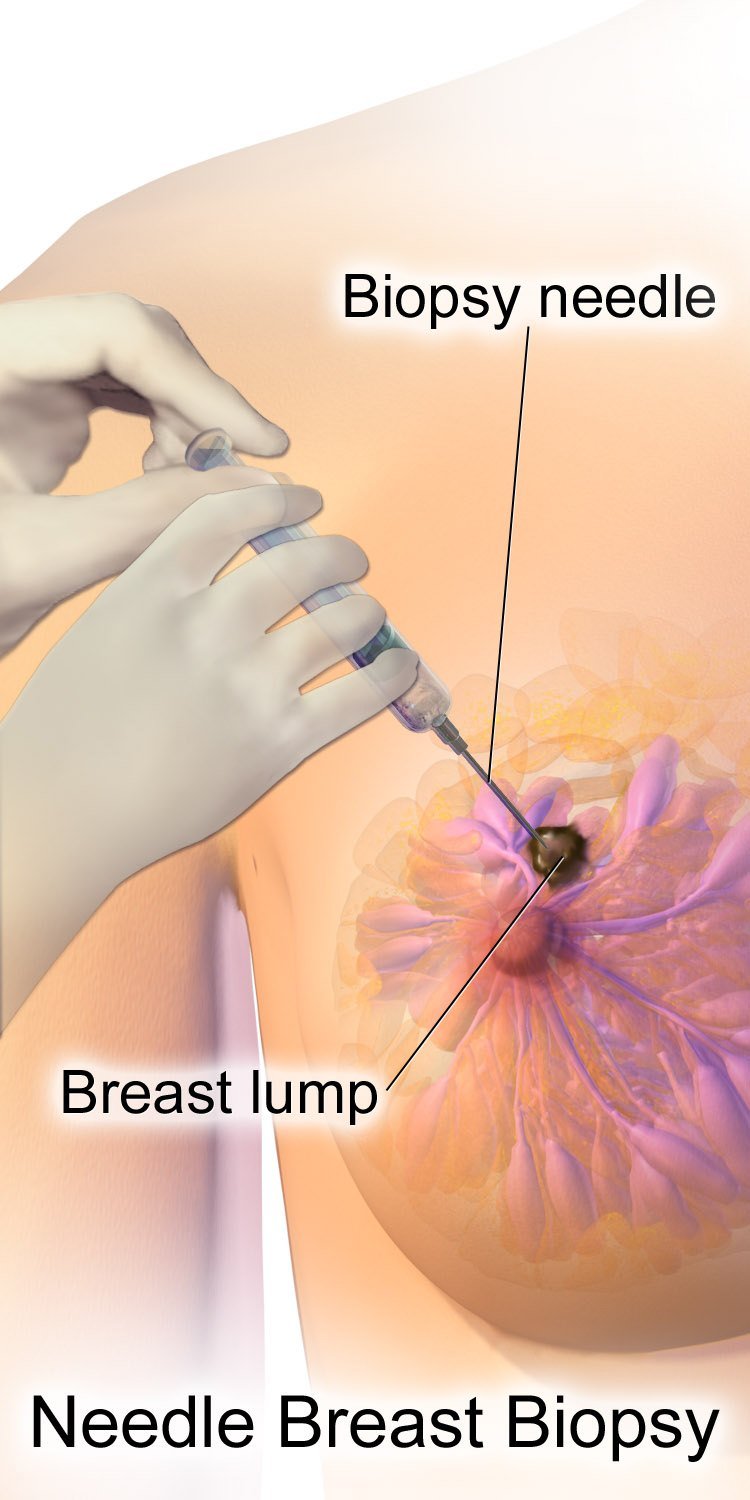
A biopsy takes a small strip of tissue using a slightly larger needle. FNAC collects loose cells, while a biopsy keeps a small piece of the tissue intact, so the pathologist gets more information and can often name the exact type of disease. The area is numbed first. You may hear a click as each sample is taken, and usually more than one sample is needed. Your doctor will advise which test suits your problem.
Used when the area can be seen on ultrasound, such as the thyroid, neck, breast, liver, kidney and many lumps in the abdomen. We can watch the needle move in real time, and there is no radiation.
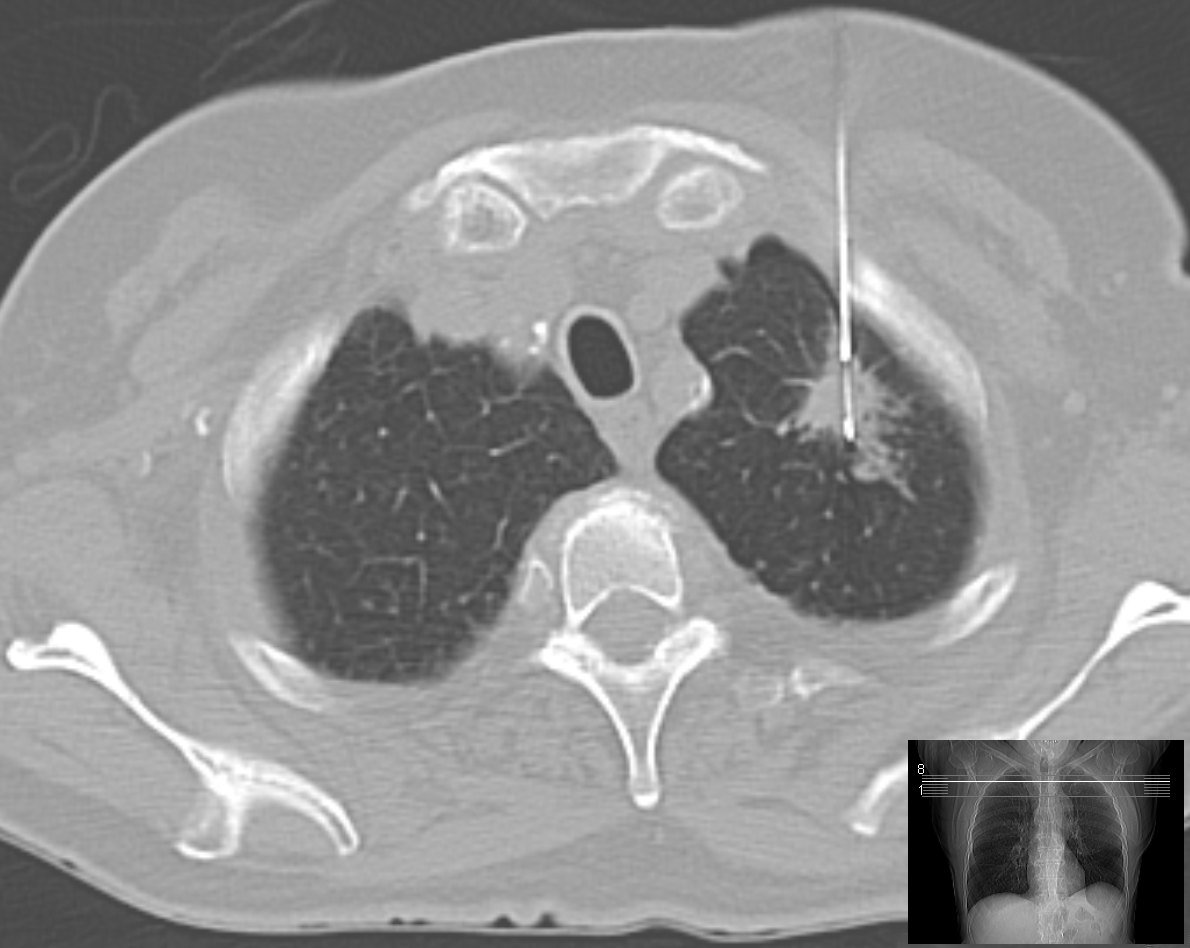
Used for areas that ultrasound cannot show well, such as the lung and chest, and some areas deep in the abdomen or pelvis. CT pictures are taken to plan the safest path, and the needle is moved forward in small steps with pictures taken in between. You will need to lie still and may be asked to hold your breath for a few seconds. CT uses X-rays, so please tell us if you are or might be pregnant. After a lung biopsy you will rest with us for a while, and your lung will be checked before you go home.
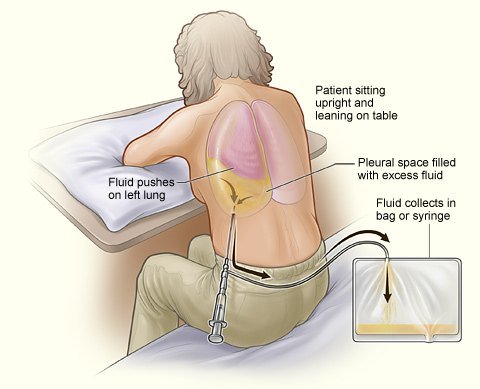
Fluid can collect between the lung and the chest wall. This is called a pleural effusion and can happen with infections such as TB or pneumonia, heart, liver or kidney problems, and cancer. The fluid can press on the lung and make you breathless.
Tapping removes this fluid. A small amount can be sent to the lab to find the cause, and a larger amount can be drained to help you breathe more easily.
What happens: you sit on the edge of a bed and lean forward on a table. Ultrasound finds the safest spot, and the skin is numbed. A thin needle or small tube is passed between the ribs, and the fluid is drained into a syringe or bag. You may feel some pressure, and you may want to cough as the lung opens up again. Tell us straight away if you have chest pain or feel more breathless.
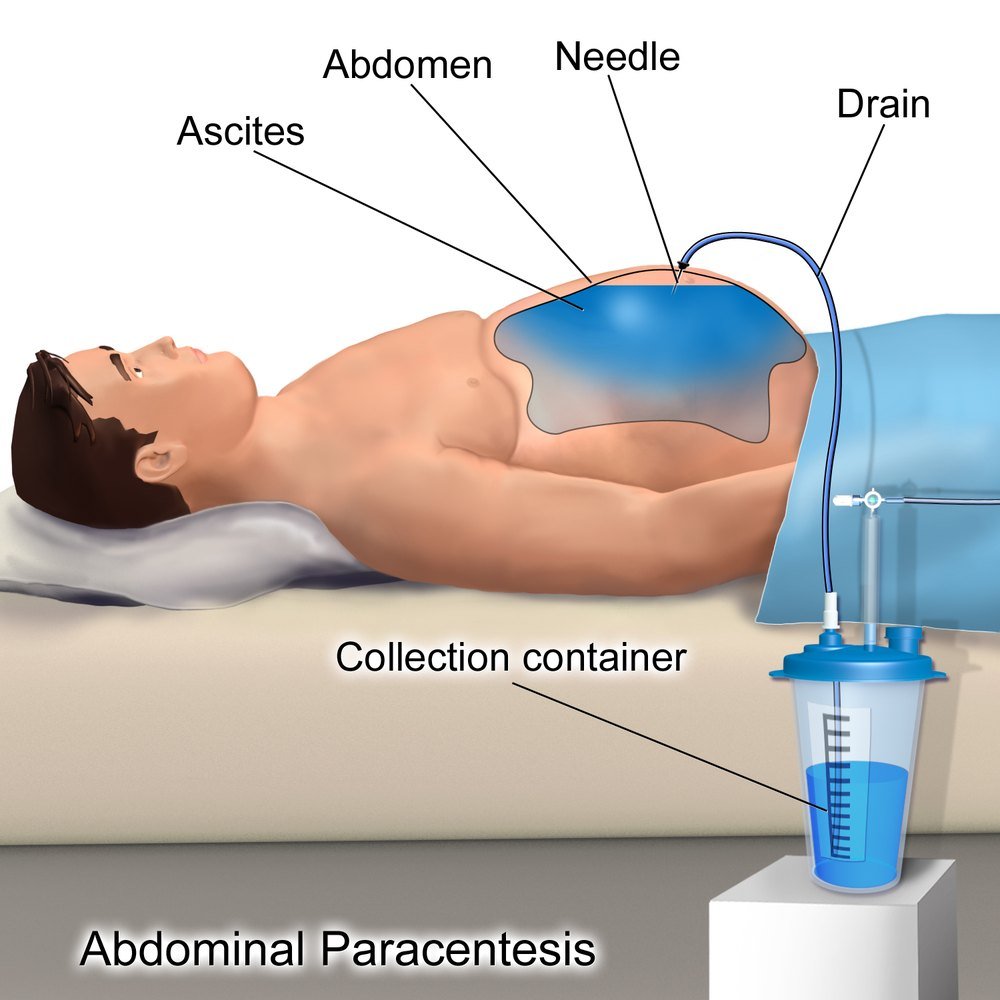
Fluid can build up inside the abdomen. This is called ascites and is commonly due to liver disease, and can also happen with infections such as TB, heart or kidney problems, and cancer. It can make the abdomen swollen and tight, and can make eating and breathing uncomfortable.
Tapping removes this fluid. A sample can be tested to find the cause, and a larger amount can be drained to ease the tightness and swelling.
What happens: you lie on your back. Ultrasound finds a safe pocket of fluid, away from the bowel and blood vessels, and the skin is numbed. A thin needle or small tube is passed in and the fluid drains into a container. Taking a sample is quick, while draining a larger amount takes longer. A little fluid may leak from the spot for a short time afterwards, so a dressing is applied.
These are commonly performed procedures and serious problems are uncommon, but no procedure is completely free of risk. Before we start, we explain the risks for your case and ask for your written consent.
Call us or go to the nearest emergency department if you have:
Your doctor's request will usually say which procedure you need. If you are not sure, call us and we will help.
A very thin needle takes a few cells from a lump for testing.
A small strip of tissue is taken while we watch the needle live. No radiation.
For areas ultrasound cannot show well.
Ultrasound-guided removal of fluid, for testing and for relief.
We review your doctor's request, scans and blood reports, explain the procedure and its risks, answer your questions and ask for your written consent.
You are positioned comfortably and a scan is done to choose the safest spot. The skin is cleaned and, when needed, numbed with a small injection.
The needle is guided to the right place using ultrasound or CT. Please stay still and tell us if anything hurts or you feel unwell.
A small dressing is applied and you rest with us for a while. Most people go home the same day if they are well. We will tell you what to do at home.
Samples go to the lab. Reports usually take a few days, and we will tell you when to expect yours. Take the report to your doctor, who will explain the next step.
Tell us if you take aspirin, clopidogrel, warfarin or any other blood thinner. Do not stop them on your own; ask the doctor who prescribed them.
We may ask for recent tests such as platelet count and PT-INR, especially before a biopsy.
Fasting is not always needed. We will tell you when you book if it is needed for your procedure.
Tell us about any allergy, especially to local anaesthetic or medicines.
Tell us if you are pregnant or might be, especially before a CT-guided procedure.
Bring a list of your medicines. Tell us if you have diabetes, as we may advise you about your doses if you need to fast.
Bring your doctor's request and all earlier scans and reports.
Please bring a family member or friend who can stay with you and help you get home.
Your doctor may give you different instructions for your procedure; follow those.
FNAC uses a very thin needle to collect loose cells from a lump. A biopsy uses a slightly larger needle to take a small strip of tissue, which gives more detail about the disease. Your doctor will advise which one suits your problem.
Most people find them easy to bear. FNAC usually feels like a blood test. For a biopsy or tapping, the skin is numbed first, so you may feel pressure or a brief sting. You may be a little sore for a day or two afterwards.
They are commonly performed and serious problems are uncommon, but no procedure is completely free of risk. Possible problems include bleeding, infection and, for lung biopsy or pleural tapping, air leaking around the lung. We explain the risks for your case before we start.
Tell us if you take aspirin, clopidogrel, warfarin or any other blood thinner, but do not stop them on your own. Ask the doctor who prescribed them what is safe for you.
Most people go home the same day if they are well. You will rest with us for a while first, and after a lung biopsy your lung will be checked before you leave. Please bring someone with you.
Reports usually take a few days, because the sample has to be prepared and examined under a microscope. Culture tests on fluid take a few days too. We will tell you when to expect your report.
This is a common worry. Spread of cancer along the needle path is very rare. A biopsy gives your doctor the information needed to plan the right treatment. If you are worried, please talk to us or your doctor about your own case.
We’re open Mon – Sat: 9:00 AM – 7:00 PM | Sun: By Appointment Only | 2D Echo: Thu 5–6 PM | MRI / CT / XRAY / OPG / Pathology: 24×7 available — walk in or call ahead.