
Brain & nerves
Headache, fits, stroke, memory problems, dizziness, face pain, tumours.
- Brain
- MR angiography & venography
- Pituitary
- Inner ear & facial nerve
- Tractography (DTI)
- Functional MRI
- Brain perfusion
- Spectroscopy (MRS)
- SWI (bleeds & calcium)
First high-end 1.5 Tesla MRI in Panchmahal and Dahod: 12 dedicated coils, music while you scan, open 24×7, with most reports within 24 hours.
Sharp, detailed MRI pictures without any radiation, in a calm and comfortable setting.
Reviewed by Dr Abhishek Agarwal, Consultant Radiologist & Director ·
MRI (magnetic resonance imaging) uses a strong magnet and radio waves, not X-rays, to make detailed pictures of the inside of the body. It is especially good at showing the brain, nerves, spinal cord, discs, muscles, ligaments, cartilage and organs.
GDC+ has the first high-end 1.5 Tesla MRI in Panchmahal and Dahod. It is a 16-channel system with 12 dedicated coils, so each part of the body is scanned with a coil made for it. That means clearer pictures, and small problems are easier to see.
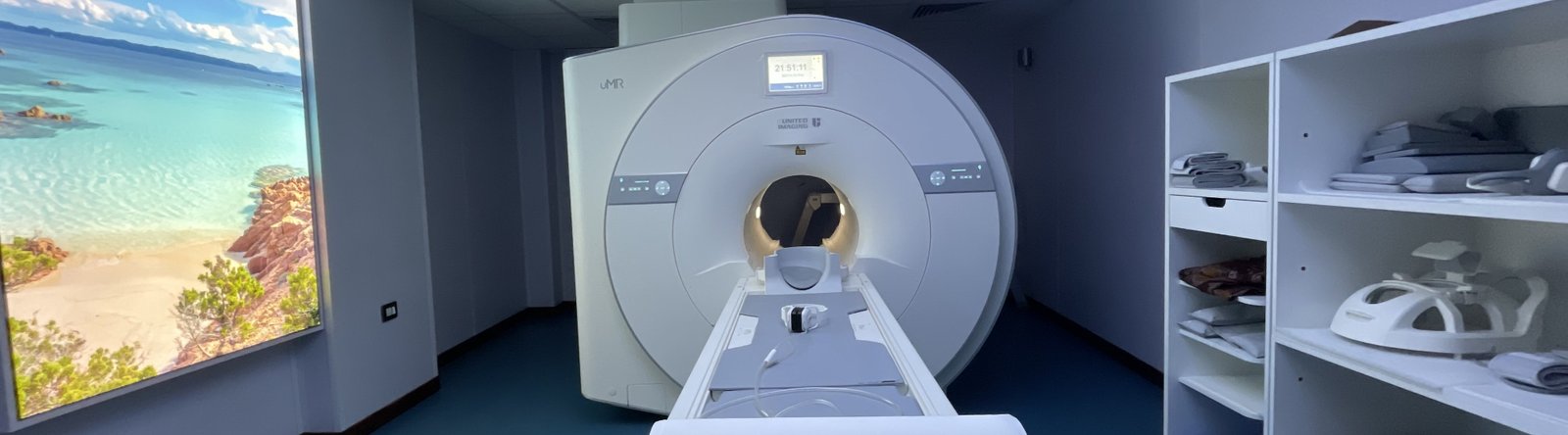
You lie on a padded table that slides into a wide, well-lit opening that is open at both ends. The scan is painless. The machine makes knocking sounds while it takes pictures; ours is designed to be quieter, and you wear headphones with music of your choice. You can talk to our team over an intercom at any time, and you hold a call button in your hand. The scan room has a sky ceiling and a large beach scene on the wall, to help you relax.
Fetal MRI and musculoskeletal MRI (joints, ligaments and muscles) are reported by Dr Sachin G Shatagar, a radiologist with a fellowship in fetal medicine. Complex MRI scans of a child's brain and spine are reported by Dr Hiren Panwala, a paediatric neuroradiologist.
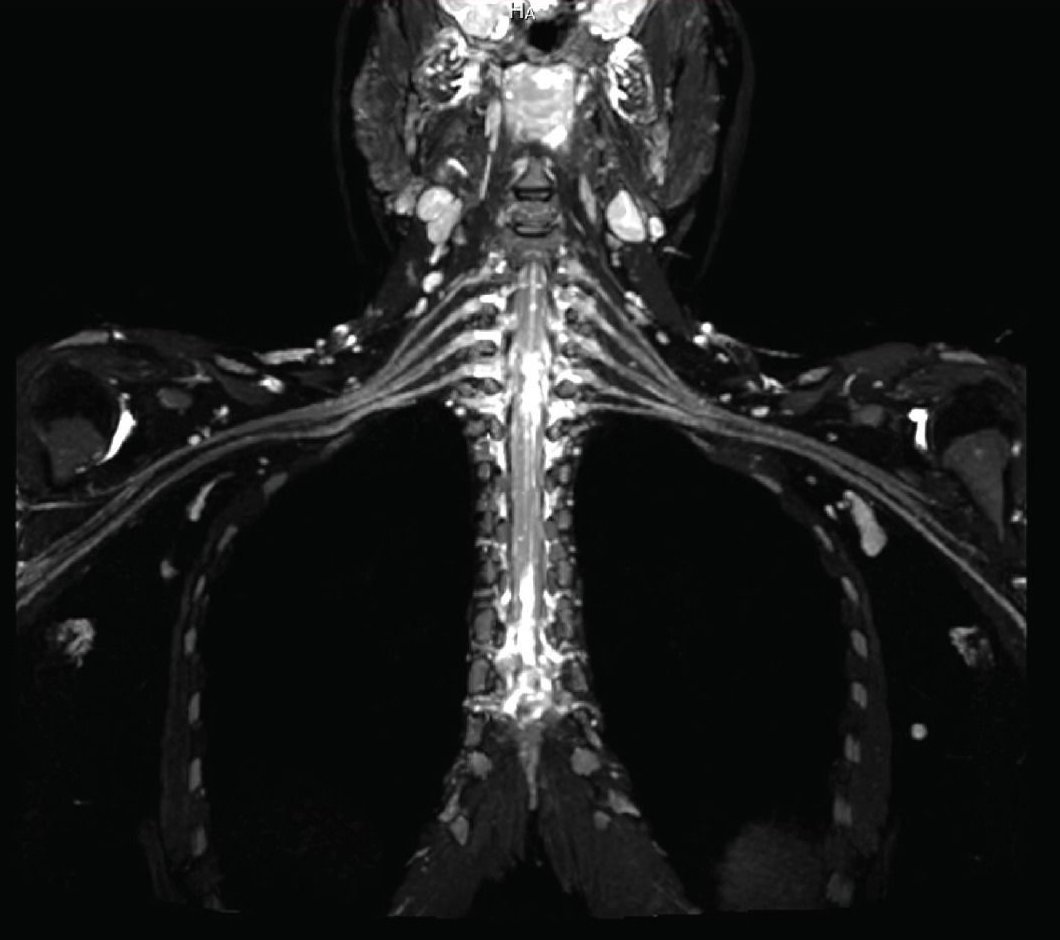
Browse the MRI gallery (spine, nerves, MRCP, angiography and whole-body studies), or read our MRI cases below.
16 channels and 12 dedicated coils give clear pictures of small parts such as nerves, ligaments, cartilage and finger joints.
MRI uses a magnet and radio waves, not X-rays, so it is safe for children and for repeat scans.
A wide opening, open at both ends, a quieter scanner, music of your choice and a calming room. Sedation can be arranged for small children and anxious patients.
Motion-correction techniques help get clear pictures in patients who find it hard to keep still.
MRI is available round the clock for emergencies. Most reports are ready within 24 hours, and urgent cases sooner.
Tractography, functional MRI, brain perfusion, spectroscopy, breast MRI, liver fat analysis and MR angiography without injection.
Not sure which scan you need? Your doctor’s request will say, or call us and we will help.
Headache, fits, stroke, memory problems, dizziness, face pain, tumours.
Back and neck pain, slipped disc, sciatica, weakness or numbness in arms or legs.
Ligament and cartilage tears, joint pain and swelling, injuries that do not heal.
Lumps in the neck, sinus and eye problems, swallowing or voice problems.
Liver, gallbladder and bile duct problems, kidney and bladder problems, uterus and ovary problems.
A closer look after a mammogram or ultrasound, extent of a known cancer, implant checks.
Narrowed arteries, with no injection for many scans, and screening of the whole body in one visit.
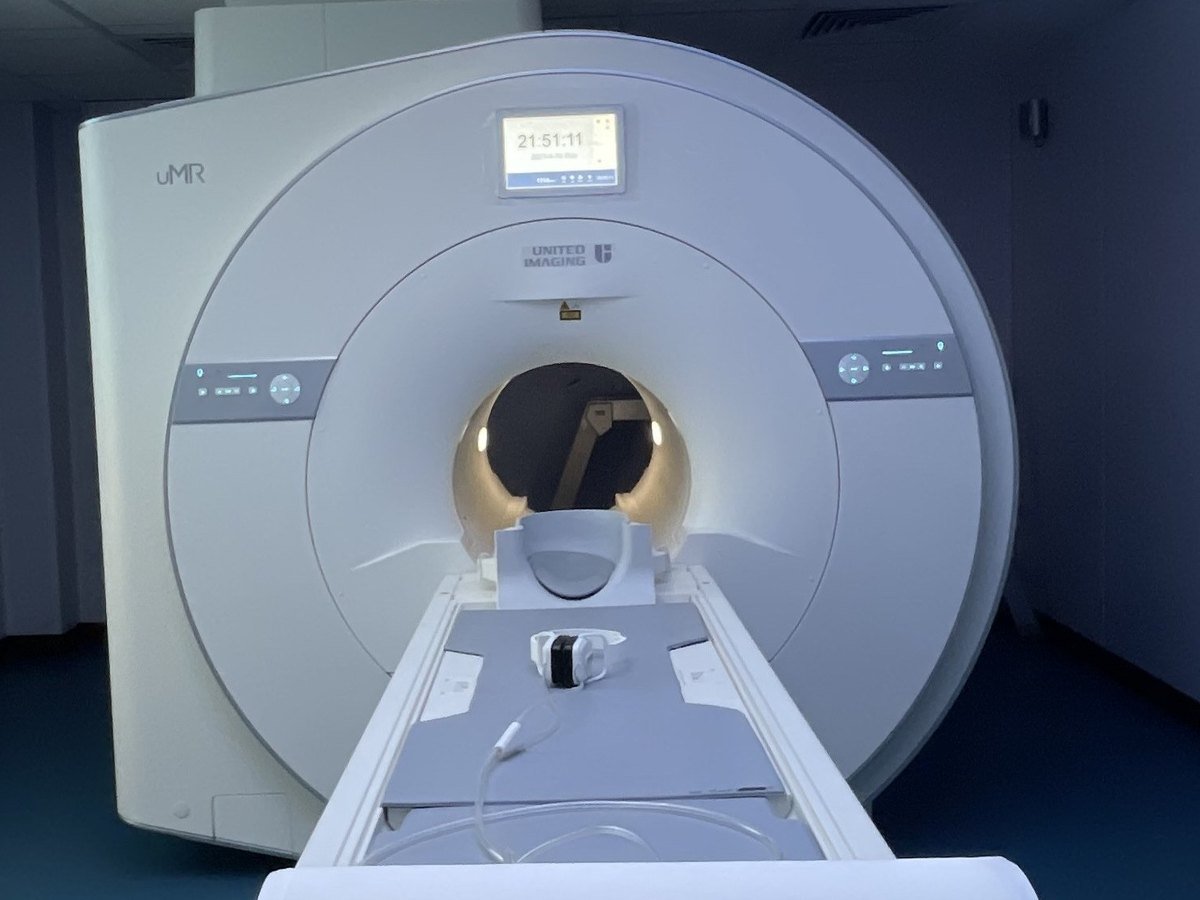
High-end 16-channel MRI system
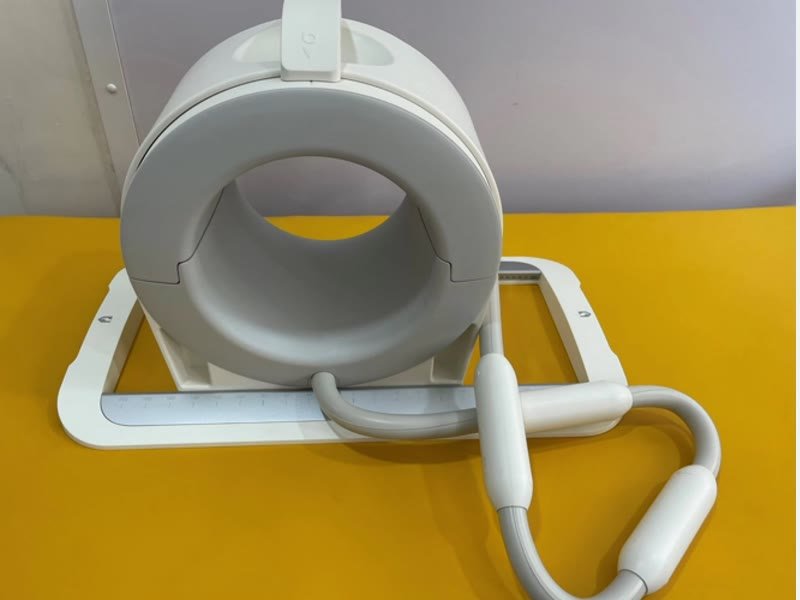
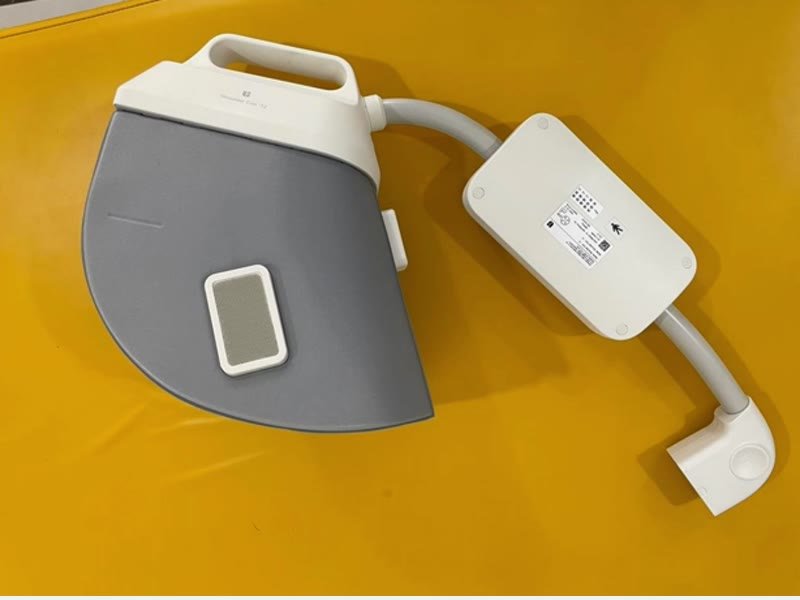
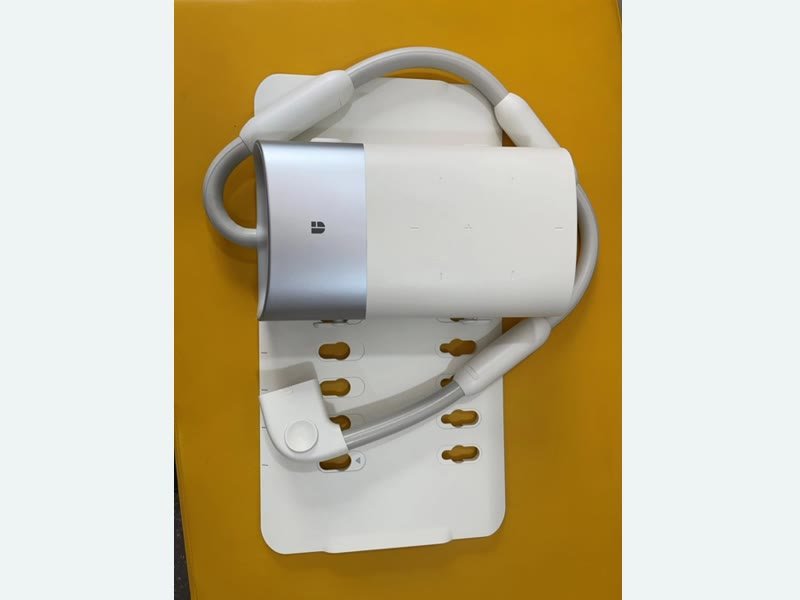
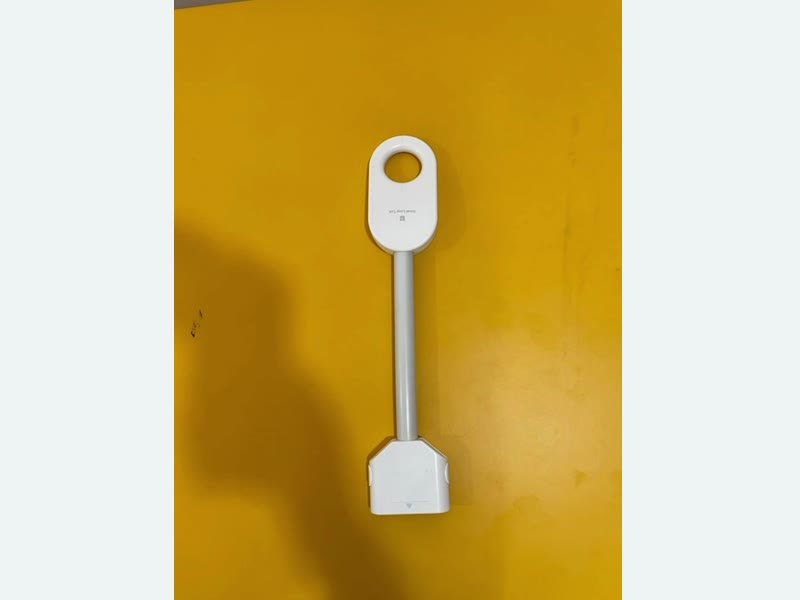
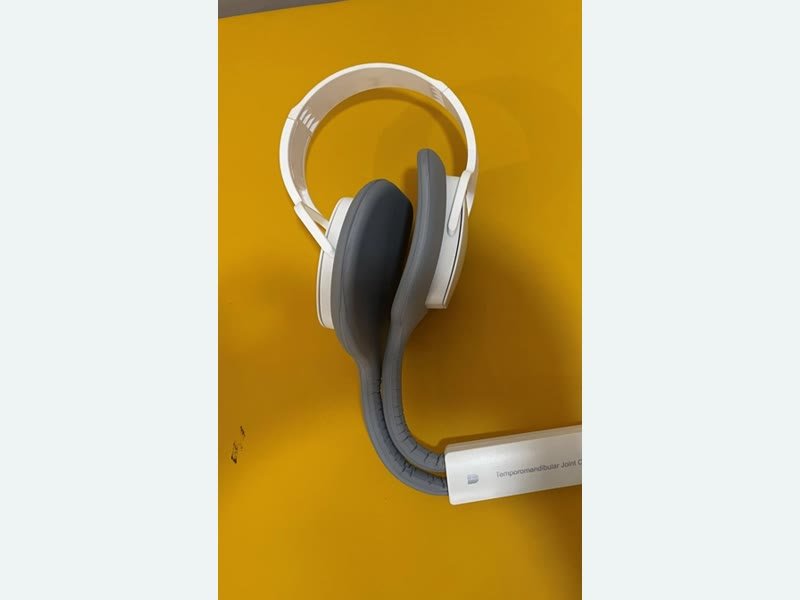
A coil made for each part of the body
Call us with your doctor’s request. Emergency MRI is available 24×7.
We go through a short safety form, check for metal and implants, and explain the scan.
Lie still on the padded table and listen to your music. It is painless, and you can talk to us at any time.
A radiologist reads your scan. Most reports are ready within 24 hours, and urgent cases sooner.
Tell us about a pacemaker, defibrillator, cochlear implant, brain clip, metal pieces in the eye, or any other implant. Bring any implant card or papers.
Wear loose clothes without metal zips or hooks. Jewellery, hairpins, watches, phones and cards stay outside the scan room.
Most scans need no fasting. For MRCP and some abdomen scans you may be asked not to eat for a few hours; we will tell you when you book.
Some scans need an injection of MRI contrast. Tell us about any allergy, earlier reaction or kidney problem; we may ask for a kidney blood test.
Tell us when you book if you feel nervous in closed spaces, or if a small child needs a scan. Sedation can be arranged when needed.
Tell us if you are or might be pregnant. Bring your doctor’s request and any earlier scans or reports, so they can be compared.
Your doctor may give you different instructions for your scan; follow those.
Published MRI cases from our centre, with patient details removed. Tap an image to enlarge.
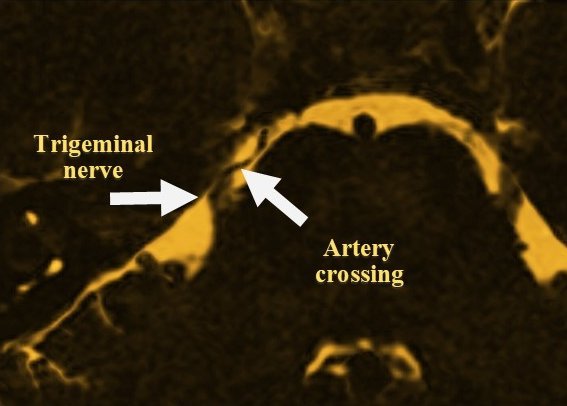
Sudden, electric pain on one side of the face. A very fine MRI sequence showed an artery pressing on the facial nerve, the cause of the pain.
Read the case
MRI showed the main artery and both kidney arteries without any contrast injection, useful when the kidneys are weak.
Read the case
Fits and weakness of one arm. MRI found a large arteriovenous malformation, an abnormal knot of blood vessels, and mapped it in 3D.
Read the case
Sudden unconsciousness with very low blood sugar. MRI showed a typical, reversible change in the brain and helped rule out a stroke.
Read the case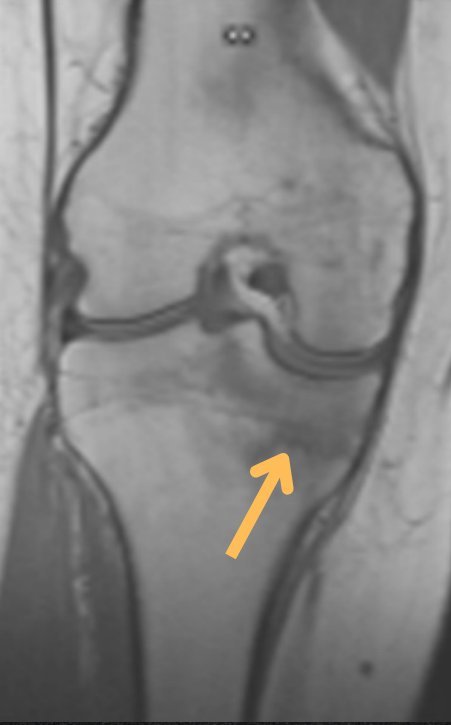
The X-ray raised the question of a bone tumour. MRI showed a stress fracture, which heals with rest.
Read the case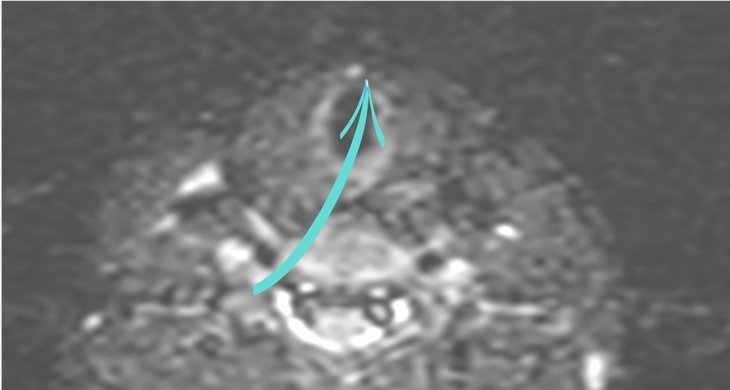
A long-standing opening in the front of the neck. CT and MRI traced the full tract, so the surgeon could remove it completely.
Read the caseMRI uses a strong magnet and radio waves to take detailed pictures of the body. It is used for the brain and nerves, the spine and back pain, joint and sports injuries, the breast, liver, bile ducts, pelvis and blood vessels, among others. Your doctor decides which scan you need.
Yes, it is safe. MRI uses no X-rays or radiation and can be repeated when needed. The main safety point is metal in or on the body, so everyone answers a few safety questions before the scan.
The MRI magnet is very strong and is always on. It can pull metal objects and can damage watches, phones and bank cards. Jewellery, hairpins, belts, keys and coins are removed before you enter the scan room.
Tell us when you book. Many implants, such as joint replacements, dental implants and most surgical clips and stents, are safe at 1.5 Tesla. Pacemakers, defibrillators, cochlear implants, some brain aneurysm clips and metal pieces in the eye must be checked first, and some of these mean MRI cannot be done. Bring any implant card or papers you have.
Most MRI scans need no preparation. For MRCP and some abdomen scans you may be asked not to eat for a few hours. If your scan needs a contrast injection, we may ask for a recent kidney blood test. We will tell you what to do when you book.
You lie on a padded table that slides into the scanner, which is open at both ends. The machine makes knocking sounds while it works; you wear headphones and can listen to music of your choice. Keeping still gives the clearest pictures. You can speak to our team at any time, and you hold a call button.
Most scans take 20 to 45 minutes, depending on the part being scanned and whether contrast is needed. Scans of more than one part take longer.
Most MRI reports are ready within 24 hours. Urgent cases are reported sooner.
Most people can. Our scanner has a wide opening that is lit, ventilated and open at both ends, and the room is designed to be calming. Music, the intercom and the call button help too. For scans of the knee, ankle or foot, your head stays outside the machine. If you are very anxious, tell us when you book; sedation can be arranged when needed.
Yes. You wear MRI-safe headphones and can choose your own song. The headphones also reduce the noise of the scanner.
Yes. MRI has no radiation, which makes it a good choice for children. Older children can usually lie still with a parent’s encouragement. Small children, and those who cannot stay still, may need sedation, which we arrange when needed. We will explain the preparation, including fasting, when you book.
Most MRI scans do not need one. Some brain, breast, abdomen and tumour scans use an injection of MRI contrast into a vein in the arm to show more detail. Tell us about any allergy, kidney problem or earlier reaction. Many blood-vessel scans (MR angiography) can be done without any injection on our scanner.
Breast MRI is usually advised by a breast surgeon or cancer specialist: for example, to look closer at something seen on a mammogram or ultrasound, to check the extent of a known cancer, to check silicone implants, or for women at high risk. We use a dedicated breast coil for this scan. It does not replace a routine mammogram.
A coil is the part that sits close to your body and picks up the MRI signal, a bit like an antenna. A coil shaped for one body part, such as the knee, wrist, shoulder, finger, jaw joint or breast, sits closer and picks up a stronger signal, so the pictures are sharper and small injuries are easier to see. Our MRI has 12 dedicated coils.
Tell us before the scan if you are or might be pregnant. MRI uses no radiation and can be done in pregnancy when your doctor feels it is needed, usually without contrast. Your doctor will decide whether it should wait.
Yes. Our MRI works 24×7, so emergency scans, for example for a suspected stroke or a spine injury, can be done at any hour. Please call before you come.



We’re open Mon – Sat: 9:00 AM – 7:00 PM | Sun: By Appointment Only | 2D Echo: Thu 5–6 PM | MRI / CT / XRAY / OPG / Pathology: 24×7 available — walk in or call ahead.